

In today's competitive retail environment, the success of a store fixture program often hinges on factors that extend far beyond basic manufacturing capabilities. As retailers face increasing pressure to create distinctive in-store experiences while managing costs and supply chain complexity, the role of glass fabrication partners has evolved significantly.
Our experience working with national retailers has revealed that the true cost of glass fixtures isn't measured solely in dollars per square foot. The hidden expenses of manufacturing defects, supply chain disruptions, and installation delays can dramatically impact a project's success. This reality has driven a fundamental shift in how forward-thinking retailers approach their procurement.
Consider the transformation of a recent project in New York City’s landmark Grand Central Station. When a national eyeglass retailer needed to convert a challenging space into a flagship location, the project went beyond mere glass fabrication. Success required precise coordination of engineering, manufacturing, and logistics to ensure that every component arrived on time and fit perfectly within the historic space's unique architectural constraints.
The key to success in such complex projects lies in three critical areas:
Quality Control Integration
Modern retail environments demand perfection in their displays. Even minor defects can compromise both aesthetics and functionality. By implementing comprehensive quality control processes at every stage - from initial design review through final inspection - we've helped retailers reduce defect-related costs by up to 40% while significantly decreasing installation time.
Supply Chain Simplification
Just-in-time delivery has become crucial in retail fixture programs. Our approach combines strategic storage solutions with carefully coordinated delivery schedules, enabling retailers to maintain aggressive rollout schedules without the burden of managing multiple vendors or maintaining expensive inventory.
Partnership-Based Innovation
Perhaps the most significant evolution in glass fabrication has been the shift from transactional relationships to strategic partnerships. This change enables early involvement in the design process, where manufacturing expertise can inform decisions that impact both aesthetics and functionality. For example, when a luxury retailer faced recurring security concerns with their display cases, our engineering team developed an innovative laminated glass solution that enhanced protection without compromising visual appeal.
The impact of this partnership approach extends beyond individual projects. Retailers working with dedicated glass fabrication partners report several key benefits:
• Reduced project timeline variations
• Decreased installation challenges
• Lower total project costs
• Improved fixture durability
• Enhanced ability to meet sustainability goals
Looking ahead, the retail fixture industry faces continued evolution. As stores blend digital and physical experiences, glass fixtures must adapt to incorporate new technologies while maintaining their fundamental role in creating engaging retail environments. Success in this changing landscape requires more than manufacturing capability - it demands a true partnership approach focused on long-term retail success.
Nine decades of experience in retail fixture manufacturing has taught us that the most successful projects aren't just about producing glass components - they're about understanding retail objectives and delivering solutions that drive business success. As the retail environment continues to evolve, this partnership-based approach becomes increasingly crucial for brands seeking to create distinctive and successful store experiences.
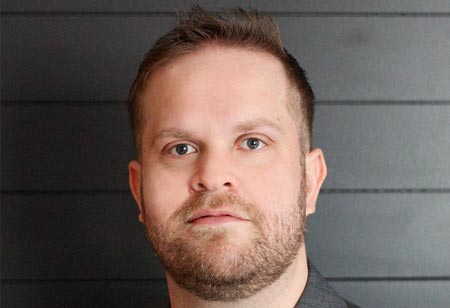
David Dillmeier is the CEO of Dillmeier Glass Company, a fourth-generation glass fabricator specializing in retail store fixtures and commercial glass solutions. Under his leadership, the company has pioneered numerous innovations in retail glass applications while maintaining its commitment to partnership-based customer relationships.
Our experience working with national retailers has revealed that the true cost of glass fixtures isn't measured solely in dollars per square foot. The hidden expenses of manufacturing defects, supply chain disruptions, and installation delays can dramatically impact a project's success. This reality has driven a fundamental shift in how forward-thinking retailers approach their procurement.
Consider the transformation of a recent project in New York City’s landmark Grand Central Station. When a national eyeglass retailer needed to convert a challenging space into a flagship location, the project went beyond mere glass fabrication. Success required precise coordination of engineering, manufacturing, and logistics to ensure that every component arrived on time and fit perfectly within the historic space's unique architectural constraints.
The key to success in such complex projects lies in three critical areas:
Quality Control Integration
Modern retail environments demand perfection in their displays. Even minor defects can compromise both aesthetics and functionality. By implementing comprehensive quality control processes at every stage - from initial design review through final inspection - we've helped retailers reduce defect-related costs by up to 40% while significantly decreasing installation time.
Supply Chain Simplification
Just-in-time delivery has become crucial in retail fixture programs. Our approach combines strategic storage solutions with carefully coordinated delivery schedules, enabling retailers to maintain aggressive rollout schedules without the burden of managing multiple vendors or maintaining expensive inventory.
Partnership-Based Innovation
Perhaps the most significant evolution in glass fabrication has been the shift from transactional relationships to strategic partnerships. This change enables early involvement in the design process, where manufacturing expertise can inform decisions that impact both aesthetics and functionality. For example, when a luxury retailer faced recurring security concerns with their display cases, our engineering team developed an innovative laminated glass solution that enhanced protection without compromising visual appeal.
-
Success in today's retail environment requires more than manufacturing capability—it demands a true partnership approach that integrates quality control, supply chain efficiency, and innovative solutions to drive business success beyond the glass
• Reduced project timeline variations
• Decreased installation challenges
• Lower total project costs
• Improved fixture durability
• Enhanced ability to meet sustainability goals
Looking ahead, the retail fixture industry faces continued evolution. As stores blend digital and physical experiences, glass fixtures must adapt to incorporate new technologies while maintaining their fundamental role in creating engaging retail environments. Success in this changing landscape requires more than manufacturing capability - it demands a true partnership approach focused on long-term retail success.
Nine decades of experience in retail fixture manufacturing has taught us that the most successful projects aren't just about producing glass components - they're about understanding retail objectives and delivering solutions that drive business success. As the retail environment continues to evolve, this partnership-based approach becomes increasingly crucial for brands seeking to create distinctive and successful store experiences.
David Dillmeier is the CEO of Dillmeier Glass Company, a fourth-generation glass fabricator specializing in retail store fixtures and commercial glass solutions. Under his leadership, the company has pioneered numerous innovations in retail glass applications while maintaining its commitment to partnership-based customer relationships.